A car recall lookup by VIN is the fastest way to find out if your vehicle has any open safety recalls that require attention. Vehicle manufacturers issue recalls every year for cars, trucks, SUVs, motorcycles, and other vehicles to correct safety defects that could increase the risk of crashes, injuries, or property damage.
Whether you own a vehicle, recently purchased a used car, or are planning a long road trip, being able to look up recalls by VIN can help you identify important safety repairs that may be available at no cost.
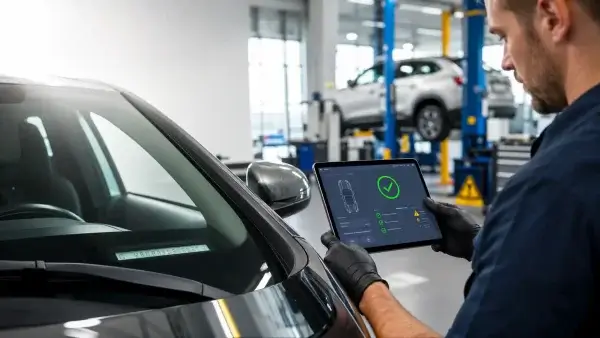
Use the free tool below to check your vehicle through the official National Highway Traffic Safety Administration (NHTSA) recall database.
Car Recall Lookup Tool
Enter your 17-character Vehicle Identification Number (VIN) below to check for open safety recalls.
Free Vehicle Recall Lookup
Enter your 17-character VIN to identify your vehicle and check for open safety recalls.
Your VIN is used only to retrieve vehicle information. VIN data is not stored by this website.
Your VIN is used only to retrieve vehicle information. We do not store or track your VIN.
How to Check a Car Recall by VIN
Checking your vehicle for recalls takes less than a minute. The most accurate method is using your vehicle's unique 17-character Vehicle Identification Number (VIN).
Unlike a general search by year, make, and model, a VIN lookup identifies your exact vehicle as it was manufactured. This allows the recall database to determine whether your specific vehicle is included in a recall campaign.
Step 1: Find Your VIN
Your VIN is a unique identifier assigned to your vehicle during manufacturing. Vehicles built for the United States market since 1981 use a standardized 17-character VIN.
Common VIN locations include:
- Driver's side dashboard near the windshield
- Driver's side door jamb label
- Vehicle registration documents
- Insurance card
- Vehicle title
VINs do not contain the letters I, O, or Q because they can be confused with the numbers 1 and 0.
Step 2: Enter Your VIN
Enter your complete 17-character VIN into the recall lookup tool above. After your VIN is verified, you can view official recall information for your specific vehicle.
Step 3: Review Your Recall Results
If your vehicle has open recalls, the recall information may include:
- Recall campaign number
- Manufacturer name
- Date the recall was announced
- Affected vehicle component
- Description of the safety issue
- Recommended repair
What Is a Vehicle Recall?
A vehicle recall is an official action taken by a manufacturer to correct a safety-related defect or address a vehicle that does not meet federal safety standards.
Recalls may begin after manufacturers discover a problem through testing, warranty claims, customer reports, or engineering analysis. The National Highway Traffic Safety Administration (NHTSA) may also investigate potential safety problems and require corrective action.
Unlike routine maintenance or optional service recommendations, safety recalls involve issues that could affect the safe operation of a vehicle. When a recall applies, manufacturers generally provide the repair at no cost to the owner.
Common Reasons Vehicles Are Recalled
Vehicle recalls can involve mechanical, electrical, or software-related issues. Common examples include:
- Airbag and restraint system failures
- Brake, steering, or suspension defects
- Fuel leaks and fire hazards
- Electrical system problems
- Engine or transmission issues
- Software-related safety defects
- Battery and charging system problems in electric vehicles
Why Checking for Recalls Matters
Many recall-related problems provide little or no warning before failure occurs. A vehicle may appear to operate normally while still having a safety issue that requires repair.
Regularly performing a vehicle recall lookup by VIN helps identify problems before they become serious. This is especially important before buying a used vehicle or taking an extended road trip.
Who Should Perform a Recall Lookup?
A VIN recall check is recommended if you:
- Recently purchased a used vehicle
- Own an older vehicle
- Moved and may have missed recall notices
- Inherited a vehicle
- Plan to sell your vehicle
- Are preparing for a long trip
- Have never checked your VIN before
What If My Vehicle Has an Open Recall?
If your VIN recall lookup shows an open safety recall, there is usually no need to panic. Many recalls are completed through a simple repair, replacement part, or software update.
Your next step should be contacting an authorized dealership for your vehicle's manufacturer. The service department can:
- Confirm that the recall applies to your vehicle
- Verify repair eligibility
- Order replacement parts if needed
- Schedule the recall repair
- Explain any safety precautions
Repair times vary depending on the recall. Some repairs may take less than an hour, while others may require additional time if special parts need to be ordered.
Quick Tip: If your vehicle has an open recall, schedule the repair as soon as practical. Recall repairs are designed to correct safety issues before they become a problem.
Are Recall Repairs Free?
For official safety recalls, repairs are generally completed at no cost to the vehicle owner. Manufacturers are responsible for correcting eligible safety defects through authorized repair facilities.
Recall repairs may include:
- Replacing defective components
- Installing updated parts
- Repairing safety systems
- Updating vehicle software
- Inspecting affected components
You typically do not pay for parts or labor related to an eligible safety recall.
Can You Drive a Vehicle With an Open Recall?
Whether you can continue driving depends on the type of recall. Some recalls involve minor issues, while others affect critical safety systems.
Recalls involving the following components should be treated seriously:
- Brakes
- Steering systems
- Fuel systems
- Airbags
- Fire risks
- High-voltage batteries
Safety First: If the manufacturer or NHTSA advises that a vehicle should not be driven until repaired, follow those instructions immediately.
Do Used Cars Have Recall Coverage?
Yes. Safety recalls generally stay with the vehicle, not the owner.
If you purchase a used vehicle with an open safety recall, you may still be eligible for the repair at no cost. This makes a used car recall check an important step before purchasing any pre-owned vehicle.
Before buying a used car, always verify:
- The VIN matches the vehicle documents
- No open safety recalls exist
- Previous recall repairs have been completed
- Maintenance records are available
Vehicle Recall vs Warranty vs Technical Service Bulletin
Vehicle recalls, warranties, and Technical Service Bulletins (TSBs) are often confused, but they are different types of manufacturer actions.
| Feature | Safety Recall | Warranty | Technical Service Bulletin |
|---|---|---|---|
| Safety defect | Yes | Sometimes | No |
| Free repair | Generally yes | Depends on coverage | Usually no |
| Issued by | Manufacturer or NHTSA | Manufacturer | Manufacturer |
| Applies to | Specific affected vehicles | Warranty terms | Specific conditions |
A safety recall addresses a defect that could affect vehicle safety. A warranty covers certain repairs during a defined time or mileage period. A Technical Service Bulletin provides repair guidance to technicians but does not automatically mean the repair is free.
Tips for Checking a Vehicle Before Buying
A recall lookup is one important step when evaluating a used vehicle. Before purchasing, you should:
- Check the VIN for open recalls
- Verify the vehicle history
- Inspect maintenance records
- Confirm previous recall repairs
- Have the vehicle inspected by a trusted mechanic
A recall check cannot reveal every possible problem, but it can uncover important safety information before you purchase a vehicle.
Key Takeaways
- Look up recalls by VIN to check for open safety recalls.
- Most official recall repairs are completed free of charge.
- Safety recalls stay with the vehicle, not the owner.
- Always check recalls before purchasing a used vehicle.
- Checking your VIN periodically helps keep your vehicle safer.
Final Thoughts
Being able to look up recalls by VIN is one of the easiest ways to stay informed about a vehicle's safety status. In less than a minute, you can find out if your vehicle has open recalls that may require attention.
Checking your VIN through the official car recall database provides valuable peace of mind.
If an open recall is found, schedule the repair with an authorized dealership as soon as practical. Most safety recall repairs are completed at no cost to the vehicle owner.
Frequently Asked Questions About Vehicle Recalls
How do I check if my vehicle has an open recall?
Enter your 17-character VIN into the recall lookup tool above. Your VIN identifies your specific vehicle and allows you to check for open safety recalls through the official NHTSA recall database.
Can I check recalls without a VIN?
Yes. Some recall databases allow searches by vehicle year, make, and model. However, a VIN recall lookup provides the most accurate results because recalls often apply only to specific production ranges.
Are recall repairs always free?
Official safety recall repairs are generally completed free of charge by authorized dealerships. The manufacturer typically provides the required parts and labor to correct the safety issue.
How often should I check my VIN for recalls?
Checking your VIN every few months is a good practice, especially before long trips, after purchasing a used vehicle, or if you have never performed a recall lookup before.
Do vehicle recalls expire?
Most safety recalls remain active until the repair has been completed. Many vehicles remain eligible for free recall repairs years after the original recall announcement.
What if my VIN shows no recalls?
If no recalls are found, there are currently no unrepaired safety recalls reported for your vehicle in the NHTSA recall database.
Can I sell a vehicle with an open recall?
In many cases, yes. However, completing recall repairs before selling a vehicle can improve buyer confidence and provide documentation that safety issues have been addressed.
Will insurance pay for recall repairs?
No. Recall repairs are generally paid for by the vehicle manufacturer rather than your insurance company.
Does a recall affect vehicle value?
An open recall may affect buyer confidence. Completing recall repairs before selling your vehicle is generally recommended.
Can dealerships refuse recall repairs?
Authorized dealerships generally perform recall repairs when the vehicle qualifies for the recall campaign and replacement parts are available.
What happens if recall parts are unavailable?
The dealership will typically notify you when replacement parts become available and schedule the repair once the necessary components arrive.
Can one vehicle have multiple recalls?
Yes. A single vehicle can have multiple unrelated safety recalls affecting different components or systems.
Are motorcycles, RVs, and trailers recalled?
Yes. Motorcycles, motorhomes, trailers, and many other vehicle types can be subject to safety recalls.
Do electric vehicles receive recalls?
Yes. Electric vehicles may have recalls involving batteries, charging systems, software, braking systems, or other vehicle components.
Can software updates be safety recalls?
Yes. Many modern vehicle recalls involve software updates that correct safety-related issues with vehicle systems and electronics.