
1996 SeaDoo XP GPS Speedometer Upgrade | Fixing the Dream-O-Meter:
If your 1996 SeaDoo XP speedometer is not working, reads inaccurately, or the paddle wheel has failed, replacing the factory speedometer with a GPS speedometer can be one of the best upgrades you can make. This guide covers SeaDoo XP and SPX speedometer replacement using a digital GPS gauge that fits directly into the factory 52mm (2-inch) opening.
The original SeaDoo XP and SPX speedometers relied on a paddle wheel speed sensor mounted in the hull. While innovative for its time, the system was commonly known among riders as the "Dream-O-Meter" because the displayed speed was often exaggerated.
Factory top speed readings for a stock 1996 SeaDoo XP typically ranged from 54-57 mph according to the Dream-O-Meter. In reality, actual GPS-verified speeds were often lower. It was even possible to manipulate speed readings simply by turning while riding at full throttle.
This is because older Sea-Doo watercraft used a speed sensor with a paddle wheel assembly to track speed. Not only were these systems inaccurate, but SeaDoo speedometer paddle wheels are also prone to failure due to wear, damage, debris, or binding. Many replacement parts are no longer produced and have become increasingly difficult and expensive to find.
Key Takeaways
- Factory SeaDoo paddle wheel speedometers are often inaccurate.
- A GPS speedometer provides far more accurate speed readings.
- The ELING 52mm (2-inch) GPS gauge fits the factory opening perfectly.
- Installation only requires power, ground, and GPS antenna placement.
- This upgrade works on most SeaDoo X4 hull models, including the XP, SPX, and SP.
SeaDoo Speedometer Not Working?
If your SeaDoo speedometer suddenly stopped working, replacing the failed factory unit with a digital GPS speedometer may be a better option than repairing the original system.
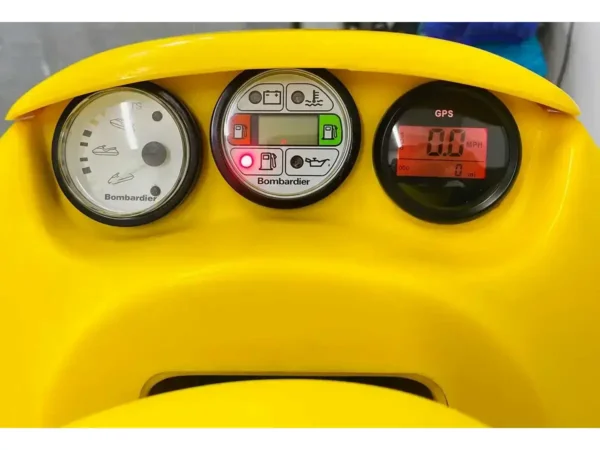
A failed paddle wheel sensor is one of the most common causes of a non-working SeaDoo speedometer. The wheel can break, become clogged, wear out, or stop spinning freely. Wiring problems and aging gauge components can also contribute to failure.
To eliminate those issues, I began replacing the factory dial-style speedometer with an aftermarket waterproof digital GPS speedometer. So far, the results have been excellent.
In addition to providing a more accurate speed reading, the GPS unit I use also tracks mileage. While maintenance on a PWC is normally tracked by engine hours rather than miles, having mileage information can still be useful for record keeping and maintenance logs.
Replace the SeaDoo Dream-O-Meter with a GPS Speedometer
One of the biggest advantages of a GPS speedometer upgrade is accuracy.
Unlike the original paddle wheel system, a GPS speedometer calculates speed using satellite positioning rather than water flow. This eliminates false readings caused by turns, turbulence, debris, or paddle wheel wear.
The result is a much more reliable speed reading every time you ride.
1996 SeaDoo XP GPS Speedometer Upgrade (Fix Broken Speedo)
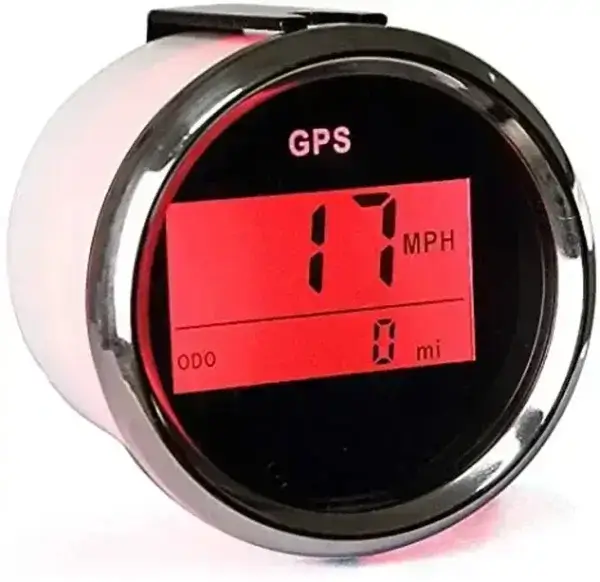
There are several GPS speedometers available today, including some expensive factory-style analog gauges. However, the digital 52mm (2-inch) GPS speedometer I have personally used with great success is manufactured by Eling.
The unit is waterproof, easy to install, includes a warranty, and is readily available through Amazon. It typically arrives within a few days for Prime members.
ELING 52mm GPS Speedometer — Specs at a Glance
| Spec | Detail |
|---|---|
| Gauge Size | 52mm (2 inch) — fits factory SeaDoo X4 hull opening |
| Display | Digital, red backlight |
| Waterproof Rating | 100% waterproof, anti-fogging protection |
| Operating Voltage | 9-32VDC (works on 12V or 24V systems) |
| Wiring | Power, ground, backlight (see wiring section below) |
| Extra Function | Built-in odometer (mileage tracking) |
| Typical Price Range | $60-$70 |
Specs above reflect the manufacturer listing at time of writing — always confirm current price and details on the Amazon listing before buying.
Where to Buy a 2 Inch GPS Speedometer for a SeaDoo XP
You can get a 52mm (2-inch) digital GPS speedometer for your SeaDoo XP, SP, SPX, or other models that use a factory 2-inch gauge opening from the retailer below.
✅ Ready to Upgrade?
Skip the unreliable Dream-O-Meter and replace your SeaDoo XP speedometer with a modern GPS unit that provides accurate, dependable speed readings every time you're on the water.
GPS Speedometer vs Paddle Wheel Speedometer
| Feature | GPS Speedometer | Paddle Wheel Speedometer |
|---|---|---|
| Accuracy | Excellent | Often inaccurate |
| Moving Parts | None | Yes |
| Maintenance | Minimal | Frequent |
| Failure Rate | Low | Higher |
| Replacement Parts | Readily available | Increasingly difficult to find |
Pros and Cons of a GPS Speedometer
- ✅ Accurate: No more inflated Dream-O-Meter readings
- ✅ Reliable: No moving parts to wear out
- ✅ Easy Install: Fits the factory hole with simple wiring
- ✅ Modern Display: Bright and easy to read
- ✅ Built-in Odometer: Tracks distance in miles
- ❌ Not OEM Looking: Digital appearance differs from stock
- ❌ No Hour Tracking: Tracks distance but not engine hours. You can always add an hour meter.
Compatible SeaDoo Models
This GPS speedometer replacement should work on any SeaDoo using a standard 52mm (2-inch) gauge opening, including:
- SeaDoo XP (1996 and similar X4 hull years)
- SeaDoo SPX
- SeaDoo SP
- Other X4 hull models with a factory 2-inch gauge opening
Always verify your wiring colors before installation, as SeaDoo made minor wiring changes across different years and models.
Using a GPS Speedometer on a SeaDoo XP, SPX, or Other X4 Hull Models
The following installation method assumes your original speedometer has already been removed.
Installation as outlined below is relatively simple once the old gauge is removed. For the 1996 SeaDoo XP GPS speedometer replacement, I simply spliced into the + purple and - black wires coming from the original speedometer harness. Purple (to red/orange) and black (to blue). The new unit fits perfectly into the original hole, and the provided rear mounting bracket installs easily. For the sensor, I use double sided tape and attach it to the inside of the hood where the wiring is located. Then simply put the cover back on.
~ Lance
Tools and Materials Needed
- New 52mm GPS speedometer (with GPS antenna/sensor)
- Marine-grade solder seal wire connectors
- Double-sided mounting tape (for the GPS sensor)
- Wire cutters/strippers
- Heat gun or lighter (for solder seal connectors)
- Basic hand tools to remove the hood/gauge panel
How to Replace the Speedometer on a 1996 SeaDoo XP with a GPS Unit
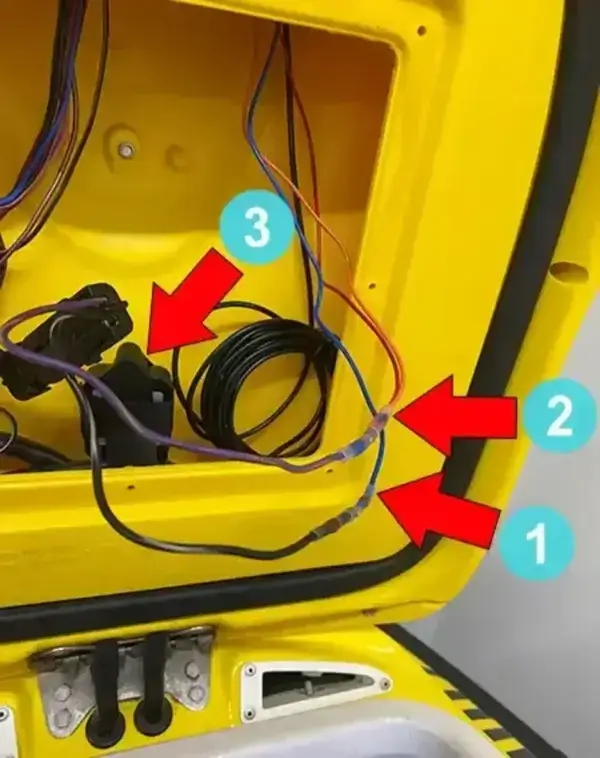
Wiring the Speedometer Gauge and GPS Sensor
I highly recommend using marine-grade solder seal wire connectors to help prevent corrosion and water intrusion.
- Connect the Black (ground) wire from the SeaDoo harness to the Blue (ground) wire on the GPS gauge.
- Connect the Purple (power) wire from the SeaDoo harness to both the Red (power) and Orange (backlight activation) wires on the GPS gauge.
- Mount the GPS antenna underneath the hood using double-sided tape.
Installing the GPS Gauge into the Factory Hood
- Install the new GPS speedometer into the original gauge opening.
- Secure it using the included rear mounting bracket.
- Power the unit on and verify operation.
- Reinstall the hood assembly.
Note: The first time the GPS speedometer powers up, it will begin searching for satellites and storing location data. Once satellites have been acquired, future startup times are typically much faster.
After acquiring satellites, the gauge provides accurate speed readings within seconds of startup.
No more Dream-O-Meter.
1996 SeaDoo XP Speedometer Replacement FAQ
What is the top speed of a 1996 SeaDoo XP?
The factory Dream-O-Meter speedometer indicated a 1996 SeaDoo XP top speed of approximately 54-57 mph. Actual GPS measured speeds are often lower and vary depending on conditions and setup.
Why is my SeaDoo speedometer not working?
Common causes include a failed paddle wheel, damaged speed sensor, clogged sensor housing, wiring issues, or a failed speedometer gauge.
Can a SeaDoo speedometer be repaired?
In some cases, yes. However, replacement paddle wheel components are becoming increasingly difficult to find. Many owners choose to install a GPS speedometer instead because it is more accurate and reliable.
Can I replace my SeaDoo XP speedometer with a GPS speedometer?
Yes. A GPS speedometer replacement is one of the most popular upgrades for older SeaDoo models because it eliminates paddle wheel failures and improves accuracy.
How accurate is a GPS speedometer on a jet ski?
GPS speedometers are generally very accurate once satellite lock has been established. They are significantly more accurate than traditional paddle wheel systems.
What size GPS speedometer fits a 1996 SeaDoo XP?
The factory opening accepts a 52mm (2-inch) gauge, making many aftermarket GPS speedometers a direct fit.
Does a GPS speedometer work on an X4 hull SeaDoo?
Yes. The installation shown in this guide was performed on an X4 hull SeaDoo XP and should work similarly on other X4 hull models using 2-inch gauges.
Where can I buy a replacement GPS speedometer?
The ELING 52mm GPS speedometer shown in this guide is available through Amazon and fits the factory opening used on many SeaDoo models.
What maintenance is required after upgrading?
Very little. Periodically inspect wiring connections and ensure the GPS antenna remains securely mounted.
Will this GPS speedometer work on other PWC brands?
Yes. Many 52mm GPS speedometers are universal and can be used on Yamaha WaveRunner, Kawasaki Jet Ski, Honda AquaTrax, and other personal watercraft with compatible gauge openings and wiring.
Will this GPS speedometer fit a 1996 SeaDoo SPX?
Yes. The 1996 SeaDoo SPX uses the same X4 hull platform and similar 52mm (2-inch) gauge opening as the XP. As long as the gauge opening and wiring are compatible, this GPS speedometer upgrade installs much the same way on an SPX model.
Final Thoughts on Replacing a SeaDoo XP Speedometer
Replacing the original SeaDoo XP or SPX speedometer with a GPS speedometer is one of the most worthwhile upgrades you can make on an aging X4 hull machine.
The installation is straightforward, the gauge fits the factory opening, and the accuracy improvement is immediately noticeable. After performing this upgrade myself, I would not go back to the original paddle wheel system.
As original SeaDoo speedometers and paddle wheel components continue to become harder to find, a GPS speedometer replacement offers a practical, affordable, and reliable long-term solution.
If you enjoy working on these things, be sure to also check out my post on replacing PWC/Boat Trailer Bunk Carpet.
* This site is an Amazon and eBay affiliate and earns a small commission from qualifying purchases made through links in this post.