Disable UAC User Account Control prompt in Windows

Disable the UAC Prompt in Windows: If you have used Windows for any length of time, you have almost certainly encountered UAC (User Account Control). UAC is the "Windows needs your permission to continue" prompt that appears whenever an application attempts to perform an action requiring administrative privileges.

Originally introduced in Windows Vista, UAC still exists in Windows 7, Windows 10, and Windows 11. While it is designed to protect your system, many advanced users find the constant prompts unnecessary and disruptive.

UAC Popup "Windows Needs Your Permission to Continue"

Disable UAC Prompt - Windows needs your permission to continue

In the following solution, I will show you how to disable or reduce the UAC administrative permission prompt. Before proceeding, understand that disabling UAC lowers system security. This is best suited for experienced users or controlled environments.

How to Disable UAC in Windows 7, 10, and 11

  1. Click the Windows Start button and open Control Panel.

  2. Select User Accounts.
  3. Click Change User Account Control settings.
  4. Move the slider all the way down to Never notify.
  5. Click OK and restart your computer when prompted.

After restarting, UAC prompts will no longer appear when running applications.

If you want fewer interruptions without completely disabling UAC, set the slider to the second level from the bottom. This still blocks silent system changes but removes most popup prompts.

This method fully disables UAC at the system level and should only be used by advanced users.

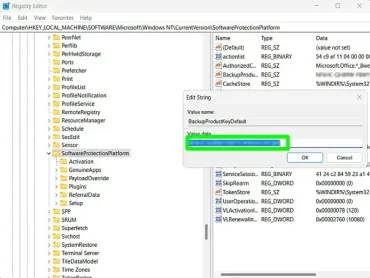
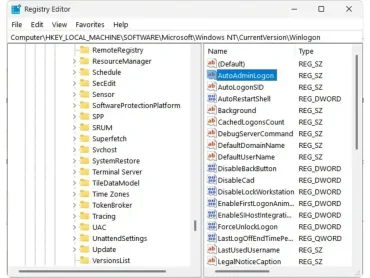
  1. Press Windows + R, type regedit, and press Enter.
  2. Navigate to:
    HKEY_LOCAL_MACHINE\SOFTWARE\Microsoft\Windows\CurrentVersion\Policies\System
  3. Locate EnableLUA.
  4. Change its value from 1 to 0.
  5. Restart Windows.

Important Security Note

Disabling UAC removes an important layer of protection against malware and unauthorized system changes. For most users, reducing UAC notifications is a safer and smarter option than disabling it entirely.

That is all there is to it. You can now run applications without being interrupted by the "Windows needs your permission to continue" prompt.