How to Disable Windows Search Indexer

How to Disable Windows Search Indexer (Windows 10 and Windows 11):  The Windows Search Indexer service, also known as Windows Search or desktop search, has long been a source of frustration for many users. While it is designed to speed up file searches, it often runs at inconvenient times, causing high disk usage, excessive CPU activity, and noticeable system slowdowns. This is especially common on older systems or computers using traditional hard drives.

Even on modern versions like Windows 10 and Windows 11, the search indexer can continue working in the background while you are trying to get real work done. If you rarely use Windows file search or prefer performance over instant results, disabling Windows Search Indexing can significantly reduce resource usage.

Quick Answer: How to Disable Windows Search Indexing

To disable Windows Search Indexing in Windows 10 or Windows 11, open services.msc, stop the Windows Search service, and set its startup type to Disabled. This prevents the indexer from running in the background and consuming system resources.

Before disabling the service, it helps to understand what changes:

  • The Start menu search will still work, but results may take slightly longer to appear
  • File Explorer searches will no longer be instant for large folders
  • Overall disk activity and CPU usage are often reduced
  • No impact on system stability or normal Windows operation

If performance issues are your priority, the tradeoff is usually worth it.

Disable Windows Search Indexer Using Services

To completely disable Windows Search Indexing, you need to turn off the Windows Search service.

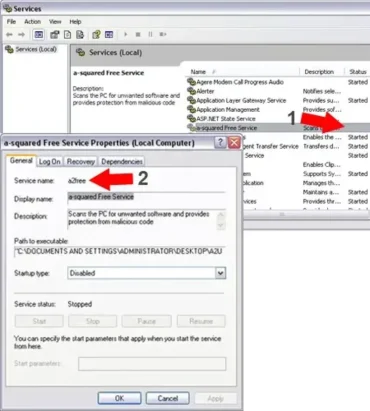
  1. Click Start, type services.msc into the search box, and press Enter
  2. In the Services window, locate and double click Windows Search
    Disable Windows Search Indexer
  3. Change the Startup type dropdown to Disabled
  4. Click the Stop button to immediately stop the service
  5. Click Apply, then OK
    Disable Windows Search Service step 2

That is all there is to it. Windows Search Indexing is now fully disabled and will not restart when Windows boots.

Alternative: Limit Indexing Instead of Disabling It

If you still want faster search results but do not want Windows indexing your entire drive, you can limit what gets indexed instead of disabling the service completely.

  • Open Control Panel
  • Click Indexing Options
  • Select Modify
  • Uncheck large folders such as Downloads, Videos, or backup directories

This approach works well for SSD users who want balanced performance without full background indexing.

Windows 11 Notes

The steps above apply fully to Windows 11. While the interface design has changed slightly, the Windows Search service name and behavior remain the same. You can safely disable or re-enable it at any time using the Services panel.

Frequently Asked Questions

Yes. Disabling Windows Search does not harm Windows or affect system stability. It only disables background indexing.

Will disabling Windows Search improve performance?

In many cases, yes. Systems with limited RAM, slower CPUs, or mechanical hard drives often see reduced disk and CPU usage.

Can I re-enable Windows Search later?

Yes. Simply return to services.msc, set the Windows Search startup type to Automatic, and start the service.

Does disabling Windows Search affect the Start menu?

The Start menu will still work, but file searches may take longer because results are no longer pre-indexed.

Final Thoughts

If Windows Search Indexer is slowing down your system or constantly accessing your drive, disabling it is a simple and effective fix. You can always re-enable the service later if you decide you want faster file searches again.

For many users, especially those focused on performance and responsiveness, turning off Windows Search Indexing is one of the easiest Windows optimizations you can make.