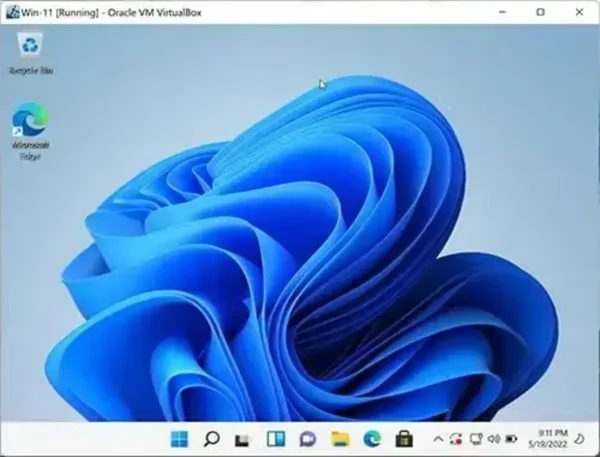
This guide explains how to install Windows 11 in an Oracle VirtualBox virtual machine and troubleshoot the “This PC can't run Windows 11” message. For a new VM, use a current VirtualBox release and configure the virtual machine with EFI and a virtual TPM 2.0 when those options are available. That is the preferred approach; bypassing Windows 11 checks is a legacy workaround for testing and may leave the guest outside Microsoft's supported configuration.
Before you begin
Download a Windows 11 ISO from Microsoft and install a current version of Oracle VirtualBox. Create a new virtual machine using the Windows 11 guest type when available, enable EFI, assign adequate memory and storage, and enable TPM 2.0 in the VM's security or motherboard settings if your VirtualBox version offers it. The exact labels vary by VirtualBox version. Keep the VM updated and take a snapshot before making major changes.
Important: The screenshots and older steps below show a legacy setup flow. If your VirtualBox version provides Windows 11-specific setup options and virtual TPM support, use those instead of registry bypasses. Do not use a requirement bypass on a production or security-sensitive system.
This PC can't run Windows 11
The following setup is useful for cases when you encounter an error during Windows 11 Install.
"This PC does not meet the Minimum system requirements to install this version of Windows."
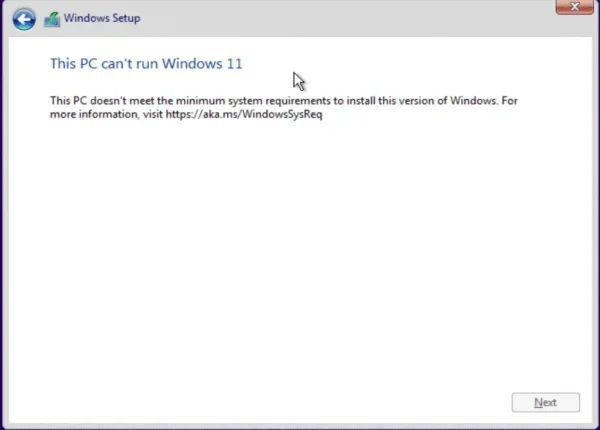
Windows 11 checks several hardware and security requirements, including TPM 2.0 and Secure Boot capability. In a virtual machine, these features may be provided by the VM configuration rather than a physical chip in the host. Prefer enabling the supported virtual hardware options over bypassing Setup checks.
Oracle VirtualBox lets you run guest operating systems in virtual machines. For Windows 11, configure the VM to meet the guest's requirements wherever your VirtualBox version supports those features. The legacy bypass method below is intended only for testing and is not the preferred setup.
How to Install Windows 11 on VirtualBox without TPM
- From within VirtualBox;
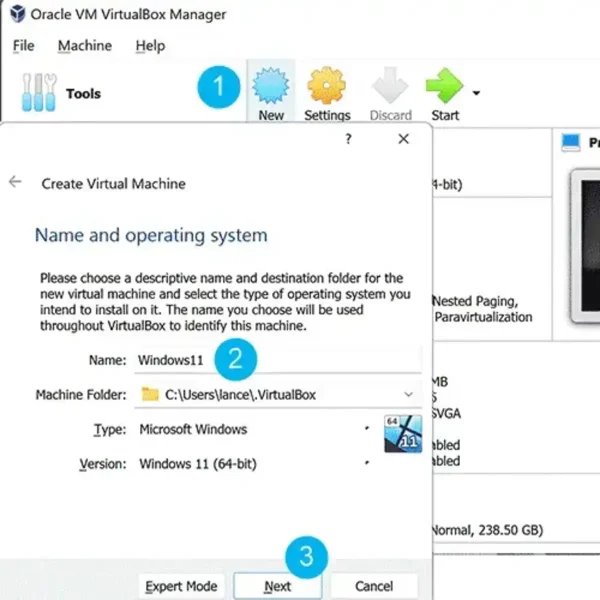
1.) Select New. 2.) Enter Windows-11 for the Name. 3.) Select Next
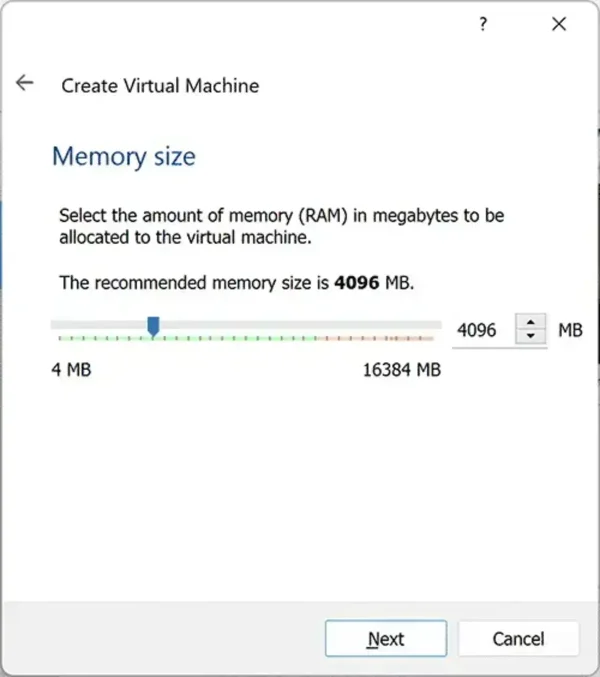
- Next, Set Memory Size to use for your Windows 11 Virtual Machine
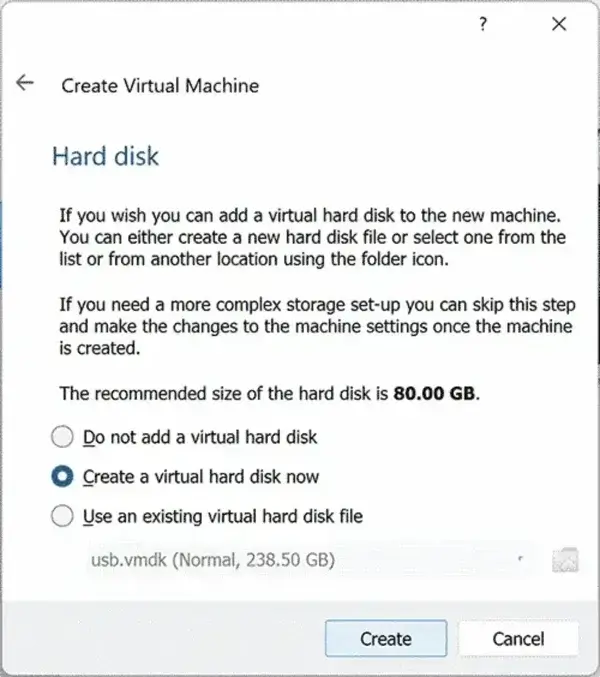
- Select create a virtual hard disk now and then click Create
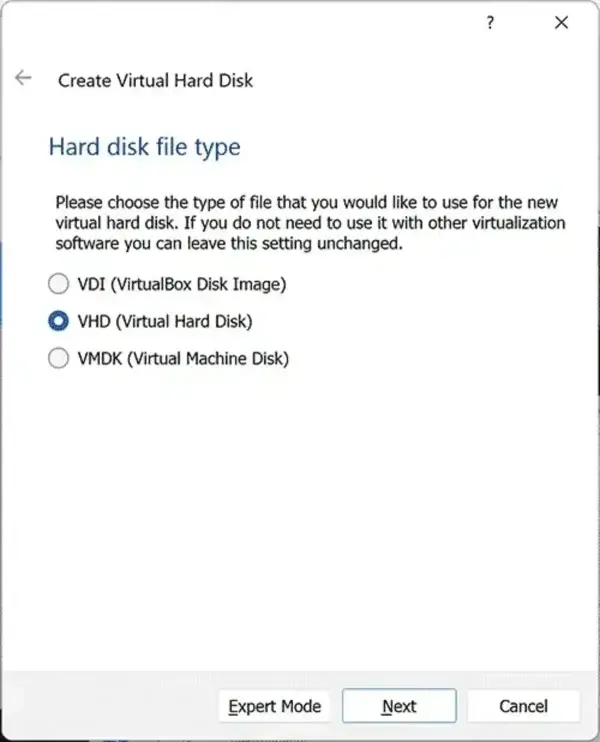
- Set Hard Disk Type to VHD (Virtual Hard Disk) and then click Next
- Set storage size to Dynamically Allocated and then click Next
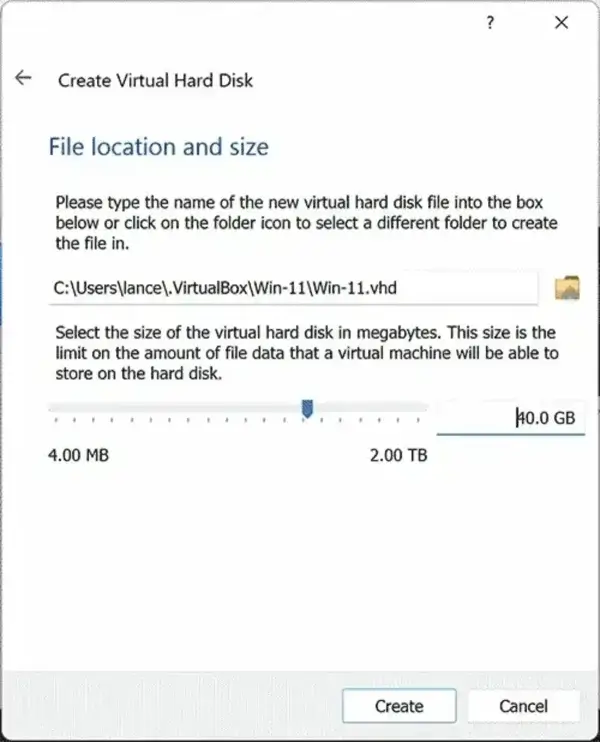
- Adjust the size of your Virtual Hard Disk File, then click Create
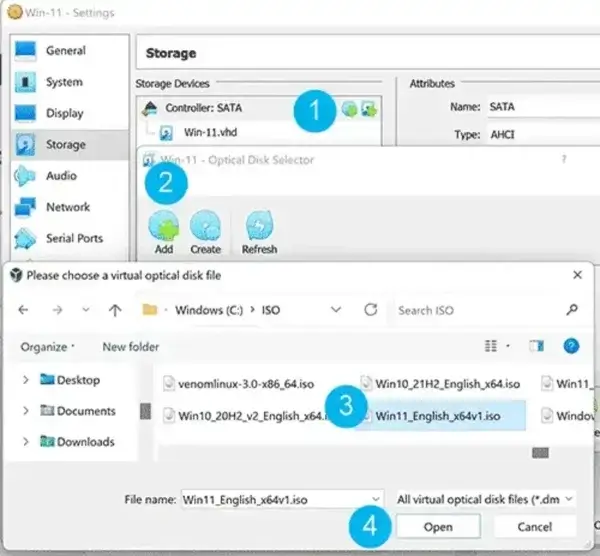
- Now go to Settings > Storage, and remove the Empty optical drive
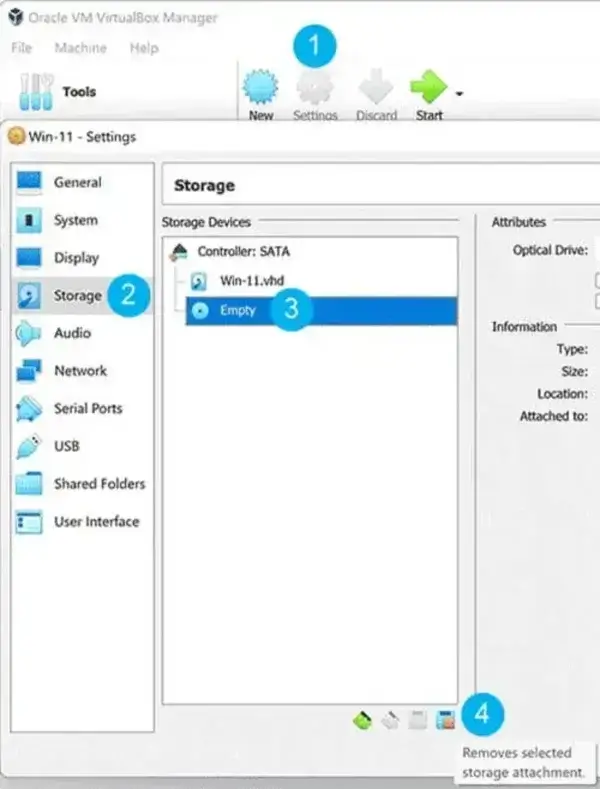
- Now Add a New optical drive to the storage controller
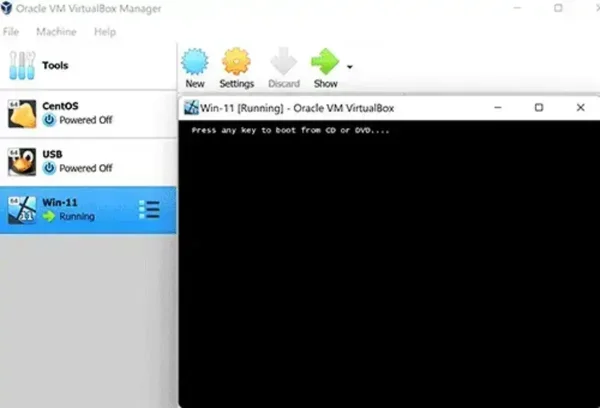
- Back at the VirtualBox Manager, Click Start and then press any key when prompted to begin the install from CD/DVD
Legacy registry workaround for Windows 11 Setup
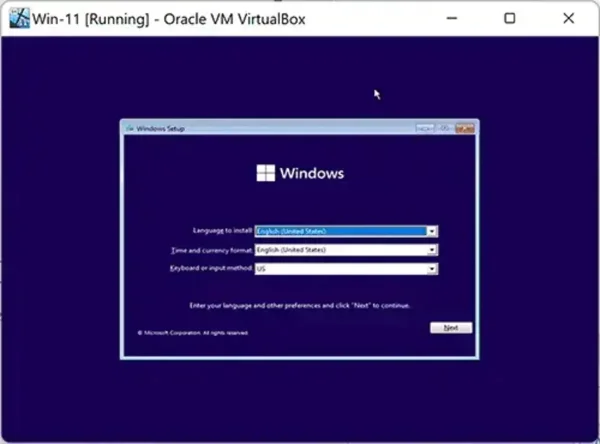
Once the Windows 11 Installer begins, you'll need to run the registry editor to make some changes to the registry to bypass Windows 11 minimum system requirements.
- At Windows 11 Setup, press Shift + F10 to open a command prompt
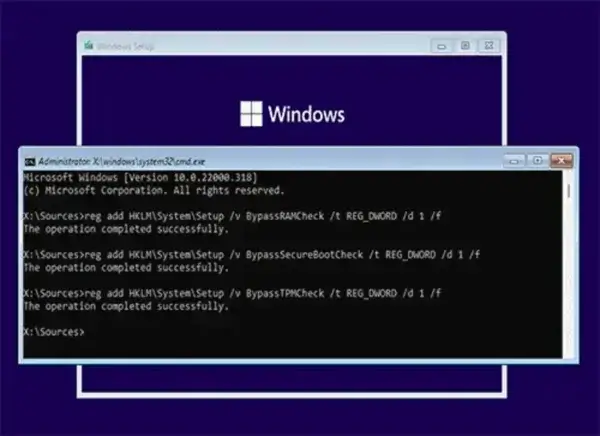
- From the command prompt type the following to add registry Bypass keys.
reg add HKLM\SYSTEM\Setup\LabConfig
To disable TPM requirements, type;
reg add HKLM\SYSTEM\Setup\LabConfig /v BypassTPMCheck /t REG_DWORD /d 1 /f
Then to disable RAM requirements;
reg add HKLM\SYSTEM\Setup\LabConfig /v BypassRAMCheck /t REG_DWORD /d 1 /f
Next to disable Secure Boot check;
reg add HKLM\SYSTEM\Setup\LabConfig /v BypassSecureBootCheck /t REG_DWORD /d 1 /f
And finally, this last key allows use of a Dynamic VHD;
The registry values above are legacy workarounds, not a substitute for a correctly configured virtual TPM. If installation still fails, check the current VirtualBox documentation and VM settings before trying other registry changes.
- Then type exit and press Enter.
- Click Next and go through the steps onscreen to install Windows 11 on your Virtual Hard Disk.
If all went well, you should eventually wind up with Windows running from a VHD image in VirtualBox