This segment covers a simple method to make a bootable USB flash drive, enabling you to install Windows 10 or 11 from USB. Running a Windows install from a flash drive is useful when you need to perform an installation on a PC without a CD or DVD ROM drive. For this segment we will be utilizing the easy to use YUMI Multiboot Bootable USB Creator Software.
Are Windows 10 and 11 USB Bootable?
Microsoft Windows 10 or 11 can also be made USB bootable with the help of YUMI!
YUMI is a very popular Multisystem tool that can be used to help you easily run Windows Installers from a USB flash drive. Enabling you to amongst other things, install Windows 10 from USB, instead of using a CD or DVD disc for installation. Not only is it easier to Boot Windows from USB, it is also much faster than traditional CDROM boot methods.
Most modern laptops no longer ship with a CD or DVD Drive, which can make it necessary to perform new Windows Installs from a removable USB device. And as an added bonus you can leave your original install disc stored away, which helps keep the original media from getting scratched up.
Side Note: YUMI not only allows for multiple USB Windows Installers on one device. The tool also allows users to add several additional Live Linux distributions, antivirus utilities, and other system tools to then be run from the same device.
How to Create a Windows 10 Bootable USB
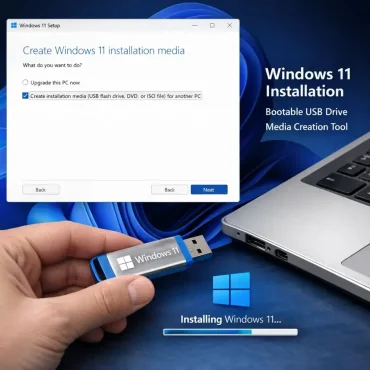
To make a bootable USB which can be used to Install Windows 10, it will be easiest to use a tool to automate the process. Here we will be using YUMI for creating a bootable Windows 10 USB Installer. As previously mentioned, this will also work for creating a Windows 11 USB Installer.
First, download and launch YUMI Multiboot or the Universal USB Installer (UUI). The exact labels vary by version. YUMI Py is the current cross-platform version, while YUMI exFAT remains a supported Windows-native option. Use the steps that match the version you downloaded.
Important: Back up anything you want to keep on the USB drive before preparing it. YUMI's drive-preparation process can erase the selected device and its partitions. Double-check the selected drive before proceeding.
- Connect and select your USB drive. Confirm that you have selected the correct removable device.
- Prepare the drive if prompted. Follow YUMI's preparation step before adding an installer. This can format the USB drive.
- Select Windows Installer. Choose the Windows installer entry from the available distribution or operating-system list.
- Choose your Windows 10 or Windows 11 ISO. Browse to the ISO file you downloaded from Microsoft and select it.
- Add the installer to the USB drive. In YUMI Py, click Add to USB Drive. In other supported versions, use the corresponding Create or install button shown by the program.

Once YUMI has finished, you should be left with a USB Bootable Windows 10 Installer on your flash drive. Supporting the ability to boot from either UEFI or BIOS systems.
How to Install Windows from USB
To Install Windows 10 or 11 from your newly created Windows bootable USB drive,
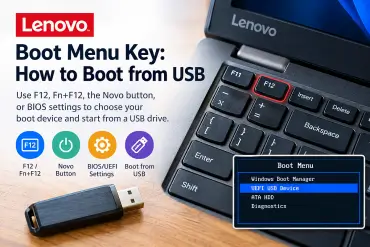
- First, reboot your computer, and enter your BIOS or Boot Menu during system post.
- Then, set your system BIOS or boot menu to boot from your USB device.
- Next, save your changes, and proceed to boot.
If all went well, you should now be presented with a Boot Menu containing a selectable item that is titled the same as your Windows ISO file. Simply select the item and you should be presented with your Windows USB Installer.