Disable Balloon Tips & Notifications on Windows, macOS, iOS, Android: Notifications can be useful for updates, reminders, and security alerts, but too many popups quickly become distracting. Whether you're dealing with old Windows balloon tips, modern toast notifications, browser alerts, or constant mobile app popups, most platforms let you control exactly what appears and when.
This guide shows how to disable or customize notifications on Windows, macOS, iPhone, Android, and popular web browsers.
Disable Balloon Tips & Notifications

Windows
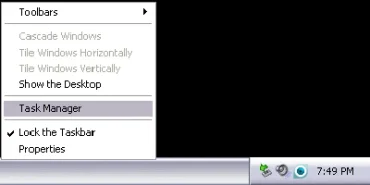
Disable Balloon Tips in Windows XP
Important: Windows XP is no longer supported and should only be used on isolated legacy systems.
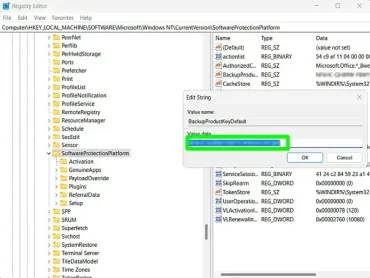
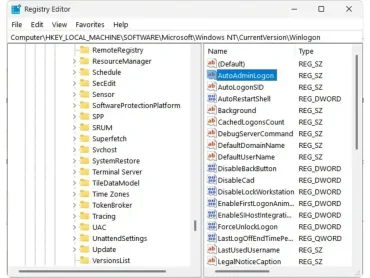
- Click Start → Run, type
regedit, and press Enter. - Navigate to:
HKEY_CURRENT_USER\Software\Microsoft\Windows\CurrentVersion\Explorer\Advanced - Create a new DWORD (32-bit) Value named:
EnableBalloonTips - Set the value to:
0 - Close Registry Editor and restart Windows.
This disables many of the classic balloon notifications shown near the taskbar.
Disable Notifications in Windows 10 & Windows 11
- Press Windows + I to open Settings.
- Go to:
- Windows 10: System → Notifications & Actions
- Windows 11: System → Notifications
- Turn off:
Get notifications from apps and other senders - Optionally disable notifications individually for specific apps.
If you don't want to disable everything, Windows also allows you to:
- Hide popup banners while keeping notifications in Notification Center
- Disable notification sounds only
- Use Focus Assist or Do Not Disturb during gaming, presentations, or fullscreen apps
macOS
- Open System Settings (or System Preferences on older versions).
- Select Notifications.
- Choose an app from the list.
- Disable notifications completely or customize banners, sounds, badges, and lock screen behavior.
macOS also includes Focus modes that can temporarily silence alerts during work or scheduled quiet hours.
Disable Browser Notifications in Safari
- Open Safari.
- Go to:
Safari → Settings → Websites → Notifications - Block or remove unwanted websites from the notification list.
iPhone & iPad (iOS)
- Open:
Settings → Notifications - Select the app you want to manage.
- Disable Allow Notifications or customize alerts individually.

Apple also allows you to:
- Disable lock screen notifications
- Remove notification sounds
- Use Focus or Do Not Disturb
- Enable Scheduled Summary for less important alerts
Android
- Open:
Settings → Notifications - Select the application you want to manage.
- Disable notifications completely or customize categories such as popup alerts, lock screen behavior, badges, and sounds.
Most Android devices also support:
- Do Not Disturb mode
- Notification snoozing
- Per-category notification controls
- Battery optimization for reducing background activity
Disable Browser Notifications
Google Chrome & Microsoft Edge
- Open browser Settings.
- Navigate to:
Privacy and Security → Site Settings → Notifications - Disable:
Sites can ask to send notifications - Remove or block websites already allowed to send alerts.
Mozilla Firefox
- Open:
Settings → Privacy & Security - Scroll to:
Permissions → Notifications - Manage or block notification permissions for websites.
Tips for Reducing Notification Spam
- Disable notifications for apps you rarely use
- Keep security alerts enabled where possible
- Turn off sounds for non-essential notifications
- Review browser notification permissions regularly
- Use Focus or Do Not Disturb modes during work or gaming
Frequently Asked Questions
Can I disable notifications without turning everything off?
Yes. Most operating systems allow notifications to be customized individually per app, including sounds, banners, badges, and lock screen visibility.
Why do websites keep asking to send notifications?
Modern browsers allow websites to request notification permissions for updates, messages, or promotions. You can disable these requests entirely in browser settings.
What is the difference between Focus Mode and Do Not Disturb?
Both temporarily silence interruptions, though newer systems often allow scheduling, app filtering, and priority notifications for important contacts or apps.
Final Thoughts
Most devices now give you fairly granular control over notifications, whether you want to disable everything or simply reduce interruptions. A few small adjustments can make desktops, phones, and browsers far less distracting without completely missing important alerts.